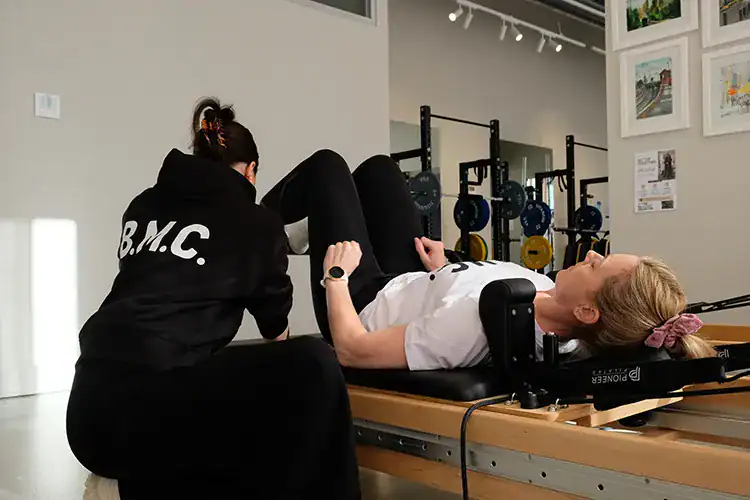
What does a physiotherapist actually do?
It’s something I get asked a lot more than you would think.
In a world with numerous healthcare professionals such as physiotherapists, osteopaths, chiropractors, myotherapists, exercise physiologists, exercise scientists, naturopaths, kinesiologists and many more, it’s easy to get confused as to how we all differ from one another. And whilst I’m no expert on the other professions, I can certainly outline the role of the physiotherapist and help you to better understand what to expect from your physio.
In a nutshell, a physiotherapist is a registered and university-qualified healthcare expert who focuses on the structure and movement of the human body. We “work with people of all ages to improve physical mobility and movement related to sports injuries, general musculoskeletal conditions, neurological and respiratory conditions. Physiotherapists work across the spectrum from health prevention, acute care and rehabilitation.” (Australian Department of Health, 2017)
Physiotherapists can be found working in a multitude of settings, from private practice to hospitals, rehabilitation centres, aged care facilities and community care. I’m going to focus on what a physiotherapist in private practice does, as this is my area of expertise.
As a private practice physiotherapist, my job is to help people with musculoskeletal pain and injuries, such as low back pain, joint pain and post-surgical rehab. We’re also experts in the management of chronic diseases such as osteoarthritis and osteoporosis, and general lifestyle conditions such as obesity and cardiovascular disease. Our role in this space is to assist with movement and exercise, which is an essential component of a healthy lifestyle.
So, how do you become a physiotherapist?
All physiotherapists have to complete a minimum four-year undergraduate or two-year postgraduate Masters program of study approved by the Physiotherapy Board of Australia. These are exclusively university-level qualifications and cannot be obtained via any other means, so you can rest assured, we’ve worked damn hard to get our qualifications.
On top of that, we have to keep learning once we’re registered. Physiotherapists must complete ongoing professional development every year to stay registered with the Physiotherapy Board of Australia, and many of us go on to study further in areas like strength and conditioning, Pilates, dry needling or persistent pain.
So, what actually happens in a physio appointment?
Every clinic does things a little differently, but here’s what you can generally expect.
1. A conversation first. Your first appointment starts with a chat, not a treatment table. I want to understand what’s going on, how it started, what makes it better or worse, and most importantly, what you want to get back to doing. Your goals shape everything that follows.
2. A thorough assessment. This is where we look at how you move. We might test your range of motion, strength, balance and the specific movements that bring on your pain. The aim is to work out why you’re hurting, not just where.
3. A clear diagnosis and plan. We explain what we think is going on in plain English, how long recovery typically takes, and what the steps look like. If we think you need imaging or a specialist opinion, we can organise that too.
4. Treatment. This is the part most people are curious about, and it usually includes a combination of:
- Exercise prescription. For most musculoskeletal conditions, this is the cornerstone of treatment. Targeted strengthening and movement retraining are what create lasting change.
- Education. Understanding your condition, what’s safe to do and what to expect takes a lot of the fear out of pain.
- Hands-on techniques. Things like joint mobilisation, soft tissue work and dry needling can help reduce pain and improve movement, and they work best when paired with exercise rather than used on their own.
- Activity and load advice. Knowing how much to do, and when to do more, is one of the most valuable things a physio can offer.
What physiotherapists don’t do
It’s just as useful to know the limits of the role. Physiotherapists don’t perform surgery or prescribe medication. What we do is work closely with GPs, surgeons and other specialists, and refer you on when something is outside our scope. If you’re having surgery, we’re often the ones helping you prepare beforehand and get moving again afterwards.
Do I need to be injured to see a physio?
Not at all. You don’t need a referral for most private physiotherapy, and you don’t have to wait until something hurts. Plenty of people see a physio to build strength, improve balance, stay active as they age or get a plan in place before a big event like a marathon, a ski trip or a hike.
So, how are we different from other professions?
Each profession has its own training and approach, and there’s genuine overlap between them. What sets physiotherapy apart is that it’s built on a university-level understanding of how the body moves and heals, with a strong focus on exercise-based rehabilitation and evidence-informed care. Whichever practitioner you see, the best ones will explain what they’re doing and why, and will be upfront about what they can and can’t help with.
Finding a physio who’s right for you
A good physio will listen to you, explain things clearly, and give you the tools to get better rather than keep you dependent on appointments. If you’ve been putting off that niggling shoulder, knee or back, or you simply want to stay strong and moving as you get older, we’d love to help.
If you’re in Hampton or the surrounding Bayside area, you can book an appointment with us at Better Movement Collective, or read more about how we can help on our services page.