
Menopause: Let’s Talk About It.
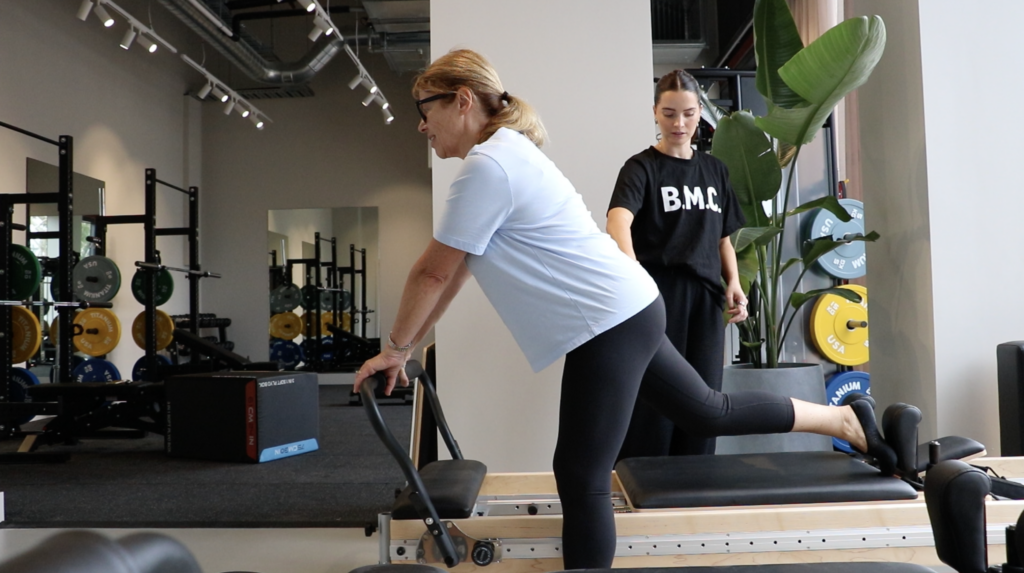
Menopause.
It affects all women, yet we still don’t talk openly about it.
It’s time to change that.
It is one of the most significant changes that occurs during your life, but often women are left feeling unheard and unsupported. We want to begin to shed some light on the physical affects of menopause and help you to understand how physiotherapy can benefit your life.
What is Menopause?
In its simplest terms, menopause refers to the final menstrual period. When it has been 12 months since the last menstrual period, you are considered to be menopausal.
Most women become menopausal around the ages of 45-55, with the average age being 51 years. However, menopause can occur before the age of 40, which is considered early onset menopause.
Perimenopause refers to the time period before the menopause, all the way through until 1 year after the menopause. During this time period, there is significant fluctuations in hormone production, irregular cycles and many of the commonly known symptoms of menopause, such as hot flushes and interrupted sleep, occur. Some women can experience these symptoms for 5-10 years prior to their final menstrual cycle, demonstrating the significant impact this can have on women’s lives.
After the menopause, the ovaries stop producing follicles (egg cells) and ovulation ceases. This means that the regular hormonal cycle of oestrogen and progesterone is no longer occurring.
What are the symptoms of menopause?
There is a plethora of symptoms associated with menopause and perimenopause. The most common being:
- Hot flushes and night sweats
- Genitourinary Syndrome
- This refers to vulvovaginal atrophy symptoms such as vaginal dryness, burning, irritation, decreased lubrication with sexual activity and increased risk of UTIs.
- These changes occur due to the depletion of oestrogen hormone.
- Mood changes
- anxiety, irritability, forgetfulness, concentration troubles.
- If you have a history of mental health challenges, menopause can exacerbate this.
- Dry skin
- Decreased bone density
- Due to a reduction in oestrogen hormone.
- Decreased muscle mass
- Due to a reduction in oestrogen and human growth hormone.
- Metabolic changes
- Including weight gain, insulin resistance and increased blood pressure.
How do we manage menopause?
Menopause should be managed with your doctor as it is fundamentally a medical issue. Physiotherapy plays a role, in particular, around assisting with bone density and muscle changes, to ensure you can stay strong, active and healthy during this time of your life.
If you would like to find out more, register to attend our free event: Women’s Health & Ageing: A Conversation on 6th May, 2026.
Mackenzie Topfer
Physiotherapist
Better Movement Collective
References:
- What is Menopause? Information Sheet., Australasian Menopause society, 2026.
Arthritis: What you need to know
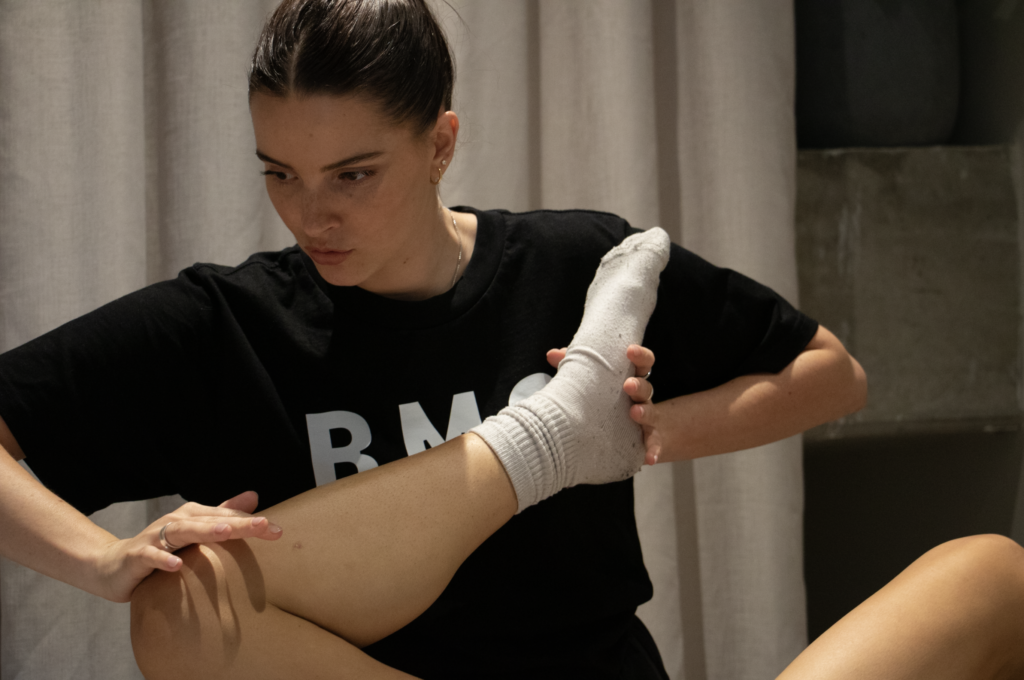
You’ve been told you have arthritis – that the aching and stiffness you feel in your knee, back, or hip is due to inflammation, and now it’s something you need to manage.
It can feel overwhelming and often leaves people wondering why it’s affecting them and what they can actually do about it… often without clear direction.
In this edition of the Better Movement Edit, I want to shed some light on a condition that affects millions of Australians every day.
What is arthritis?
In its simplest terms, arthritis refers to inflammation of the synovial joints.
The word “arthritis” comes from the Greek word arthron, meaning joint, and the medical suffix -itis, meaning inflammation.
There are many types of arthritis. You may have heard of a few — particularly osteoarthritis, rheumatoid arthritis, and psoriatic arthritis.
The latter are autoimmune inflammatory conditions, meaning the immune system mistakenly recognises the body’s own tissues as “foreign” and attacks them. Osteoarthritis, on the other hand, is more related to the body’s repair processes working a little too hard, leaving the joint in a constant state of low-level inflammation.
We often associate inflammation with poor health, but it isn’t the “bad guy” it’s made out to be. In fact, we rely on inflammation to heal and repair damaged tissues. It’s what triggers the body’s “helper” cells to travel to the site of injury and begin the repair process.
The problem arises when this process is constantly active — when the body is repeatedly breaking down and repairing tissue. This is what can lead to the ongoing ache and stiffness many people experience.
What are the signs of osteoarthritis?
As physiotherapists, we’re trained to recognise the signs of osteoarthritis and differentiate them from other causes of joint pain.
Common symptoms include:
- Joint pain
- Swelling around the joint
- Joint stiffness, particularly first thing in the morning
- The “warm-up effect” — where movement feels stiff and sore initially but improves as you keep moving
- Tenderness along the joint line
- A family history of osteoarthritis
How do we treat osteoarthritis?
While there is currently no cure for osteoarthritis, that doesn’t mean it’s a life sentence.
Because arthritis affects so many Australians, there has been a huge amount of research into how we can manage it effectively and maintain a high quality of life.
The first step is developing a clear management plan with your physiotherapist. This involves understanding your symptoms, identifying what aggravates them, and recognising what already helps.
From there, we can build a structured and practical plan. Common options include:
Non-steroidal anti-inflammatory drugs (NSAIDs)
Often used as a first-line option to help manage inflammation. These are typically available at pharmacies.
Heat
Heat packs, hot water bottles, showers, and baths can help ease stiffness and discomfort.
Massage
Can help increase blood flow and warmth around the joint, reducing discomfort.
Strength training
Building strength in the muscles around the joint helps reduce pressure on the joint and improve overall function.
Activity modification
Staying active is important — but we want to find the right balance, avoiding activities that significantly flare symptoms.
A combination of these strategies is often very effective. In more persistent cases, hydrotherapy can be an excellent option for reducing symptoms and improving movement.
Will I need surgery?
This is one of the most common concerns.
Many people have seen friends or family members undergo joint replacement surgery and assume it’s inevitable. The reality is that surgery is often not the end result.
In fact, as our non-surgical management improves, surgery is becoming less common.
As physiotherapists, our goal is to help you delay — and often avoid — the need for surgery for as long as possible. That said, surgery isn’t a “bad” outcome. For some people, it can be life-changing.
The key is making an informed decision at the right time, with the right guidance.
In summary
Osteoarthritis doesn’t have to be a lifelong burden.
There are many effective ways to manage it, and in many cases, we can delay surgery and maintain your activity levels for years — sometimes decades.
If you think osteoarthritis may be affecting you and you’re not sure what to do next, we’re here to help.
Come and see us at 8 Koolkuna Lane, and our physiotherapy team will guide you through it.
Michael Scardamaglia
Director & Senior Physiotherapist
Better Movement Collective
Knee Pain Going Up Stairs
Knee Pain Physiotherapy in Hampton
If climbing stairs has started to feel like Mount Everest, you’re not alone.
“I get knee pain when I walk upstairs” is one of the most common things we hear as physiotherapists.
The frustrating part is how quickly it can progress.
what starts as a small niggle can turn into pain during walking or exercise, leaving many people unsure what to do next.
Find out more about your knee pain from your local physiotherapy team in Hampton below!
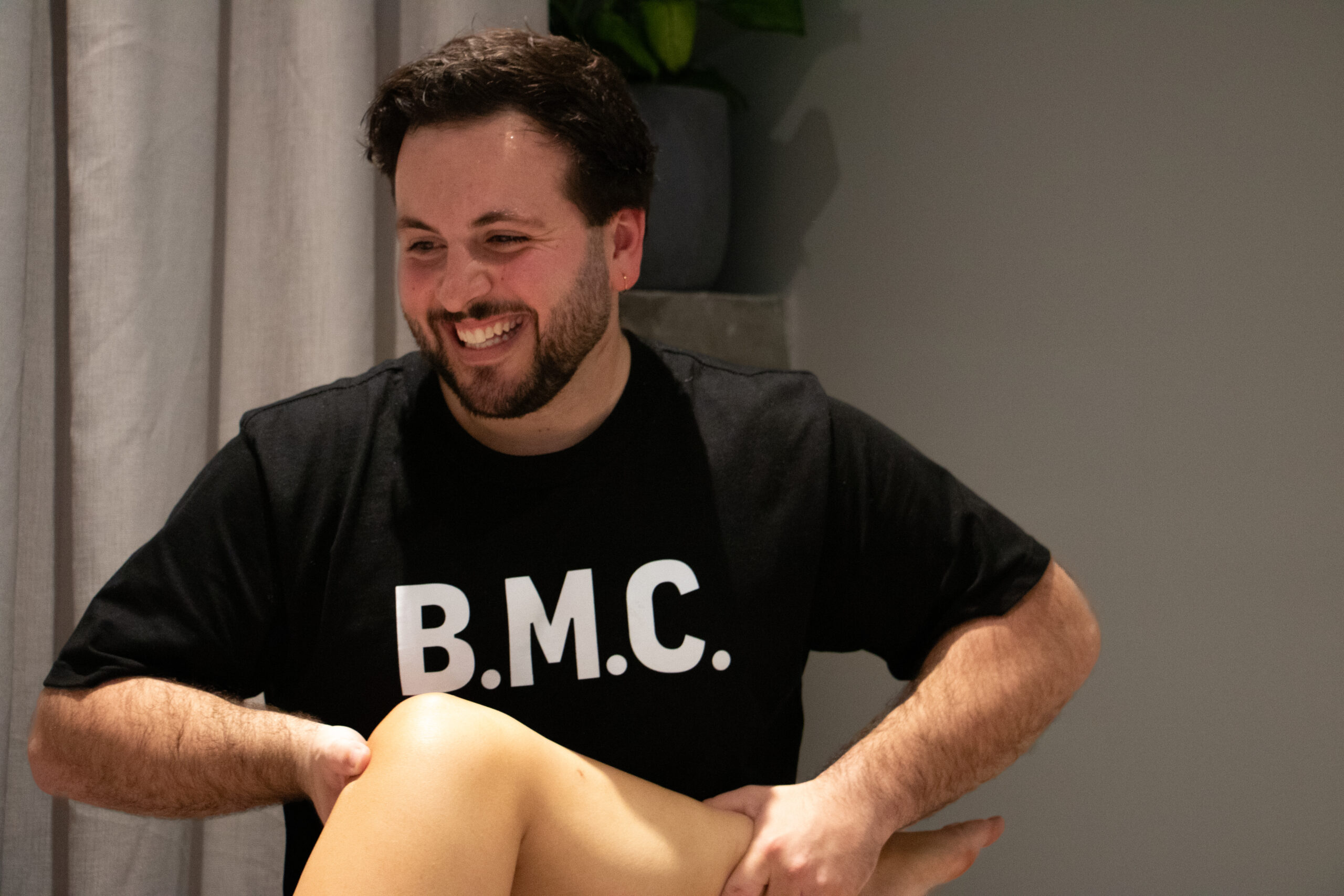
The good news?
Knee pain is extremely common, and we now understand it far better than we used to. With the right approach, most people can get back to doing what they love.
Let’s break it down.
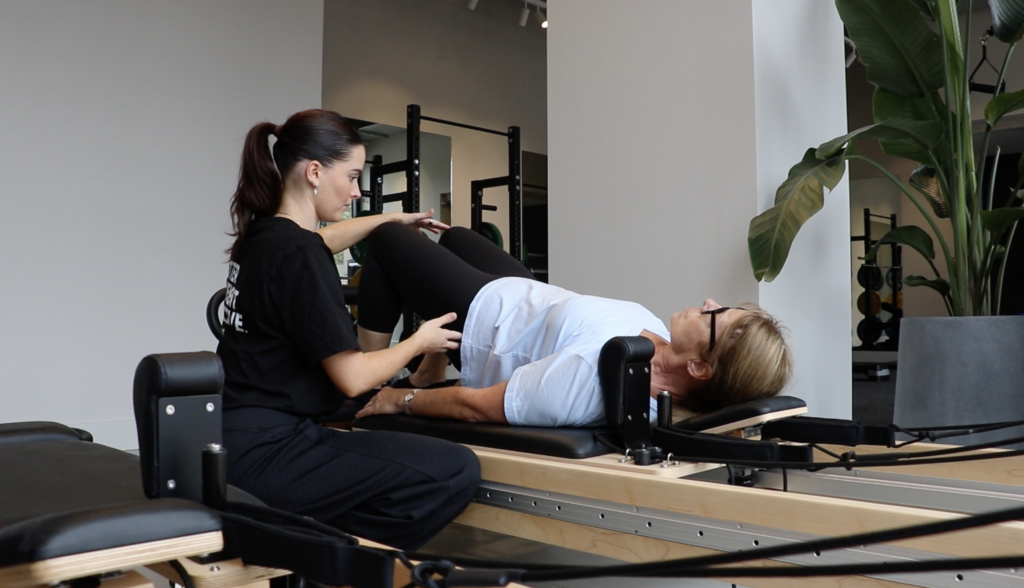
Why do stairs hurt the knee?
When you climb stairs, your knee experiences significantly more load than normal walking, often up to three times your body weight.
This increased load places more stress on:
- The kneecap joint
- The main knee joint (between the thigh and shin bones)
- The surrounding tendons and ligaments
- The meniscus
If any of these structures are irritated or not tolerating load well, stairs are often the first place you’ll notice it.
3 Common Causes of Knee Pain on Stairs
1. Knee Osteoarthritis
Hearing the word osteoarthritis can feel overwhelming, but it’s not a life sentence.
In its early stages, knee osteoarthritis is often very manageable.
It usually develops gradually. You might notice:
- Stiffness when getting up after sitting
- A dull ache on stairs or slopes
- A knee that feels more tired after activity
What helps?
There’s a common belief that arthritis means you should “take it easy.” In reality, the opposite is often true.
With the right guidance, movement is one of the most effective ways to manage symptoms. Strengthening the muscles around the knee helps reduce pressure on the joint and improves how it functions day to day.
Hands-on treatment, such as massage, can also help ease discomfort and make it easier to keep moving with confidence.
2. Kneecap Pain (Patellofemoral Pain)
This is one of the most common reasons knees become painful on stairs.
It usually occurs when the kneecap is taking on more load than it can comfortably handle, leading to irritation.
Common symptoms:
- Pain at the front of the knee
- Worse with stairs, squatting, or prolonged sitting
- Aching or sharp pain behind the kneecap
What helps:
- Building strength in the quadriceps and glutes
- Improving hip control and alignment
- Gradually reloading the knee over time
3. Weak Hips (Yes, your hips matter)
Not all knee pain starts at the knee.
The hips and glutes play a huge role in how your lower body moves. If they’re not doing their job well, the knee often has to compensate — and over time, that can lead to pain.
You might notice:
- Pain with stairs, running, or squatting
- A sense of instability
- A history of hip weakness
What helps:
The shift comes from looking beyond the knee and retraining the whole system:
- Strengthening the hips
- Improving control in single-leg positions
- Refining movement patterns
Because the knee doesn’t work in isolation — and when the hips improve, the knee often follows.
So, what should you do if your knee hurts on stairs?
Knee pain can feel concerning, but most of the time it’s not a sign of serious damage. The knee is very adaptable — it just needs the right input.
Start here:
- Keep moving, but modify anything that aggravates your pain
- Avoid sudden increases in activity (your body prefers consistency)
- Build strength in your quads, hamstrings, and glutes
- Improve control, especially in single-leg movements
If your symptoms persist for more than a couple of weeks, it’s worth getting it properly assessed.
How we can help
At Better Movement Collective, we take the guesswork out of knee pain.
We help you understand:
- What’s actually causing your symptoms
- Why your knee is being overloaded
- How to rebuild strength and confidence with a clear, structured plan
Sometimes knee pain doesn’t start as pain at all.
It might just be a moment on the stairs — a hesitation, or a sense that something isn’t quite right.
We’re here to help you get back to moving with confidence.
How Strength Training Creates Health Bones.
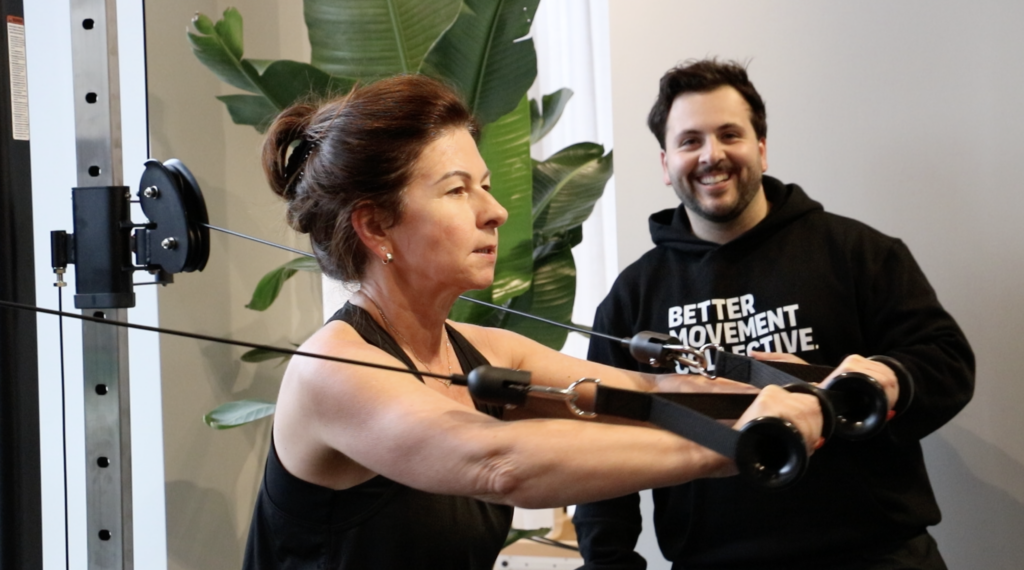
Bone health isn’t something most people think about… until they have to.
Often it comes up after a scan, a diagnosis of osteopenia or osteoporosis, or sometimes after a fall or fracture.
At that point, the question becomes:
“What can I actually do about it?”
One of the most effective answers is strength training.
But how does it actually help?
Why bone health matters more as we age
From around our 30s onwards, we gradually begin to lose bone density.
For some, this happens slowly.
For others, particularly post-menopause, it can accelerate more quickly.
Reduced bone density can increase the risk of:
- – Fractures
- – Falls
- – Loss of independence
- – Ongoing pain and reduced confidence with movement
The good news is that bone is living tissue and it responds to the right kind of stimulus.
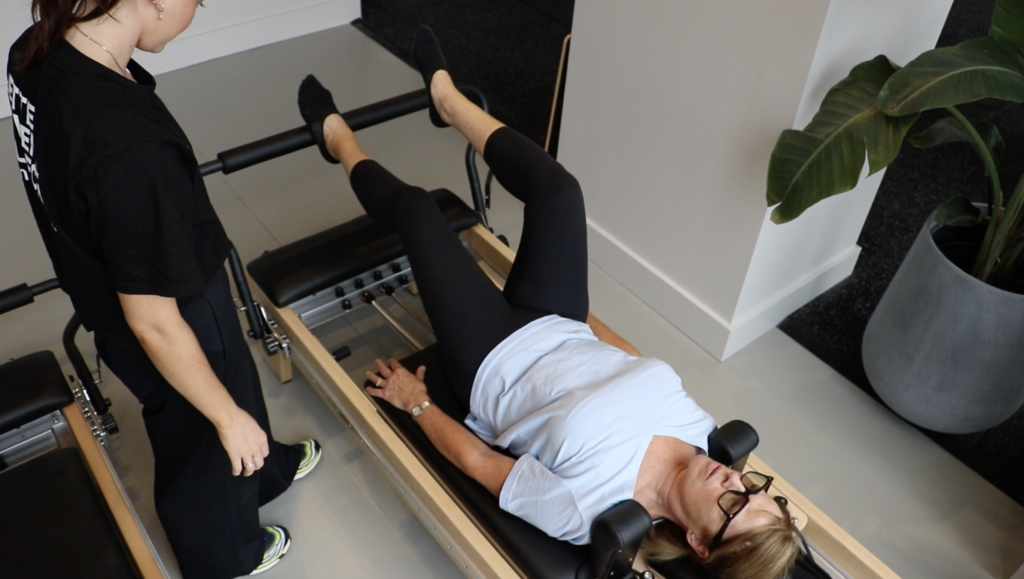
How do bones respond to strength training?
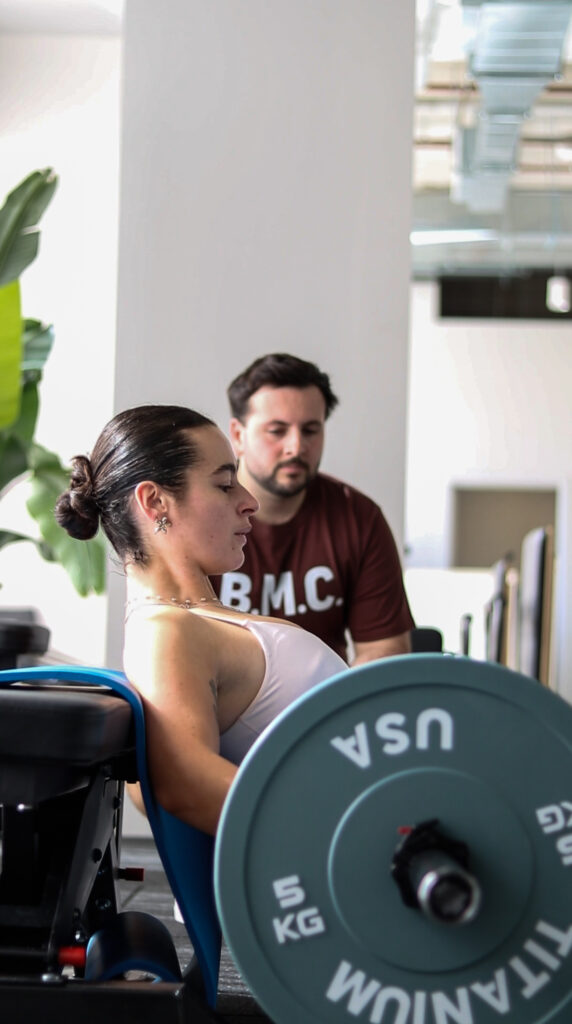
Bones adapt to load.
When you apply stress to bone through movement -particularly through resistance or weight-bearing exercise – the body responds by strengthening that bone over time.
This process is known as bone remodelling.
Strength training helps by:
- Applying controlled load through the skeleton
- Stimulating bone-forming cells
- Improving muscle strength, which supports and protects joints
- Increasing overall movement capacity
Over time, this can help to maintain and in some cases improve bone density.
Common pitfalls people run into
Avoiding strength training altogether
There’s often a fear that lifting weights is unsafe, especially after a diagnosis of osteoporosis. In reality, avoiding load completely can accelerate bone loss.
Staying too light for too long
Light weights can be a good starting point, but bones require a certain level of stimulus to adapt. Progression is key.
Lack of structure or guidance
Without a clear plan, it’s easy to either underload (not enough stimulus) or overload too quickly. Both can limit progress.
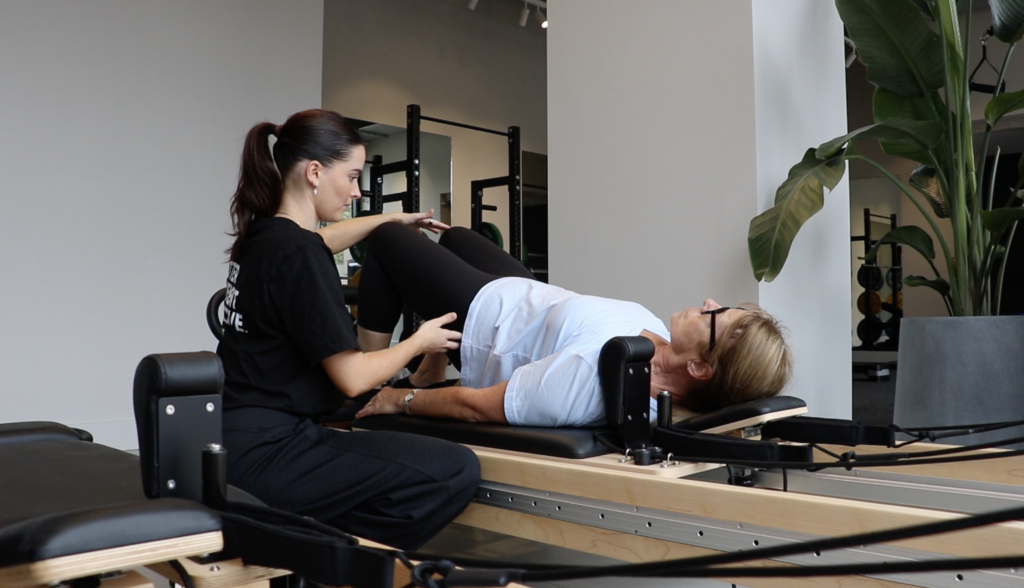
How physiotherapy and strength training work together
At Better Movement Collective, your newest physiotherapy clinic in Hampton, we take a structured approach to building bone health.
We combine physiotherapy assessment with guided strength training to ensure the right exercises are prescribed at the right intensity.
This allows us to:
- – Identify individual risk factors
- – Build a safe and progressive strengthening plan
- – Improve confidence with movement
- – Support long-term bone health and resilience
As strength improves, many people transition into ongoing strength or clinical exercise classes to continue building and maintaining their progress.
When the back starts to hurt, many people instinctively stop moving. While understandable, too much avoidance can actually prolong back pain and slow down recovery. Often, the right kind of movement is exactly what the back needs.
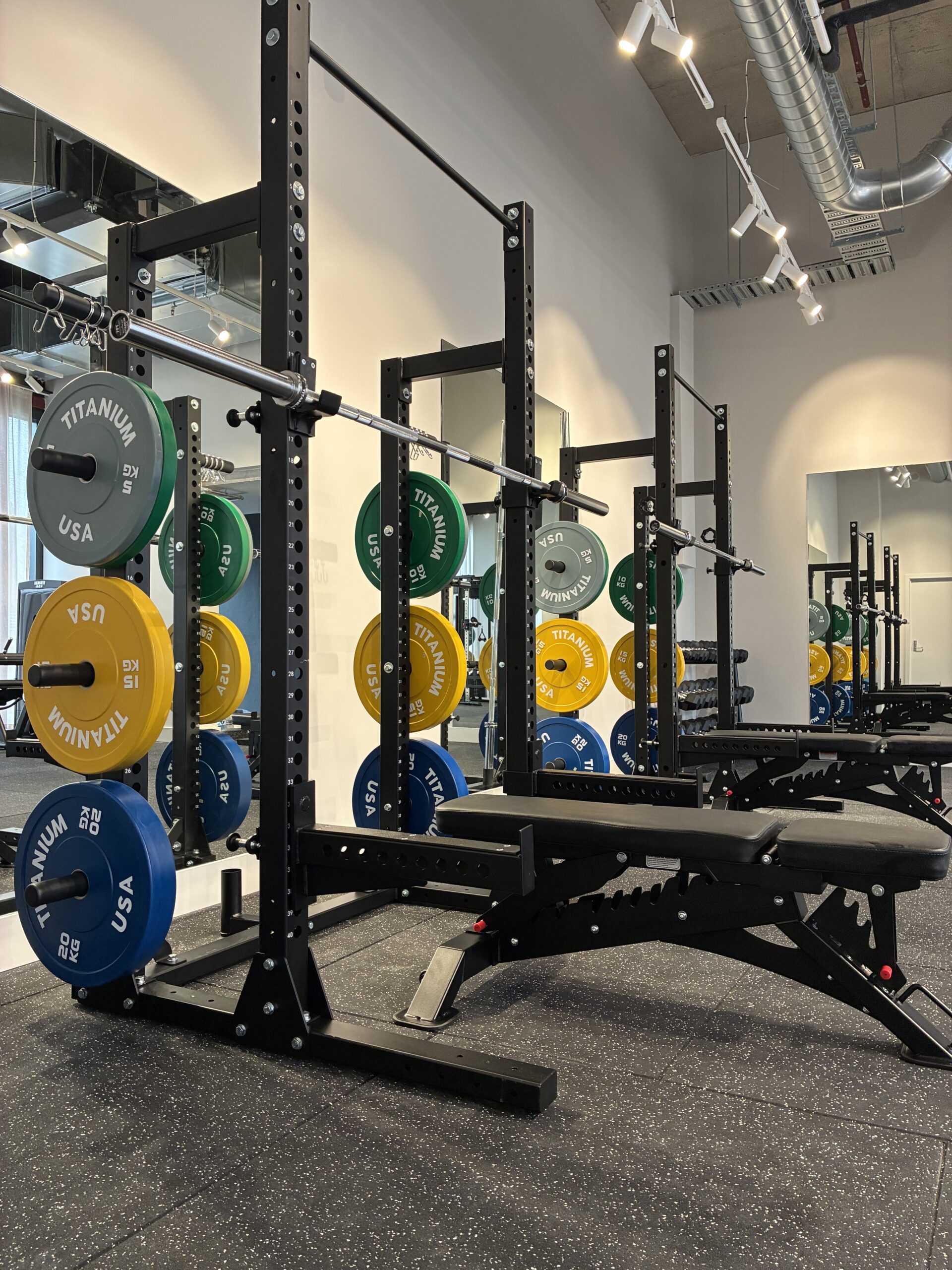
Ready to build stronger bones?
If you’ve been told you have low bone density — or you simply want to stay strong, active, and independent as you age — strength training can make a meaningful difference.
Starting with the right plan is key.
At Better Movement Collective in Hampton, we offer individual physiotherapy assessments and free movement screenings to help you understand where you’re at and what to focus on next.
For a limited time, we’re also offering 25% off initial physiotherapy appointments as part of our grand opening.
If you’re unsure where to start, this is a great opportunity to get clear direction and begin building strength with confidence.
Michael
Director & Senior Physio
Better Movement Collective
8 Koolkuna Lane, Hampton, 3188
BMC Hampton Open!
Better Movement Collective opens at 8 Koolkuna Lane, Hampton, 3188.
We’re excited to officially open Better Movement Collective in Hampton.
To celebrate our grand opening, we’re offering:
25% off initial physiotherapy appointments
Free 15-minute movement screenings
If you’ve been living with ongoing aches, stiffness, or reduced confidence in your movement, now is the perfect time to take action.
At Better Movement Collective, we focus on helping you move better for longer.
We focus on:
- Osteoarthritis management
- Strength and bone density
- Balance and falls prevention
- Healthy ageing
Many people assume pain is just part of getting older — it’s not. With the right assessment and strength-based plan, you can maintain mobility and independence for years to come.
Does Pilates Help Reduce Back Pain?
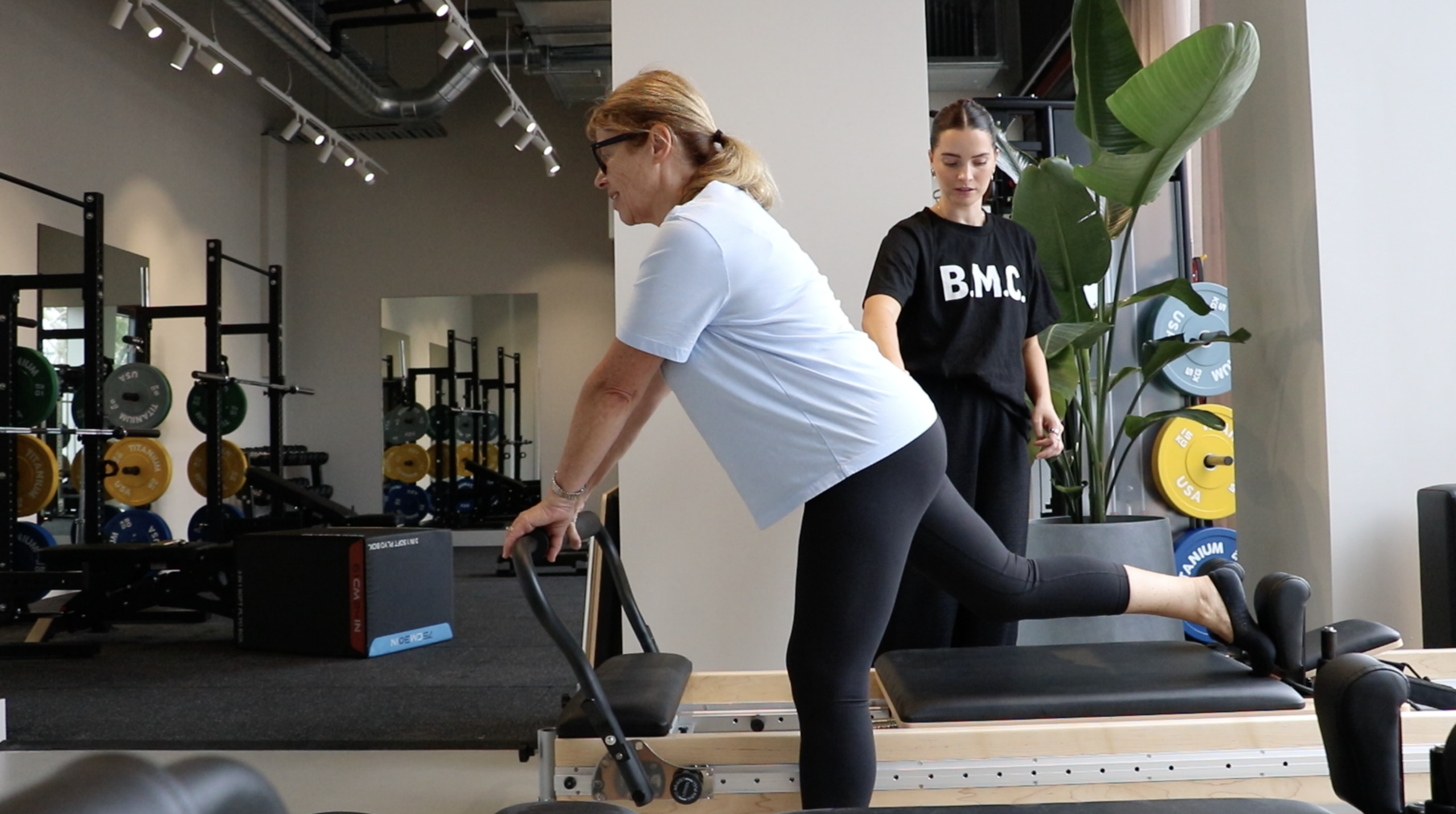
Back pain is one of the most common reasons people seek physiotherapy in Hampton.
It’s also one of the most misunderstood.
Most people are told to just “strengthen your core, you’ll be okay”… before finding themselves wondering whether Pilates is actually the solution to their back pain.
So does it help?
In short… yes, but with a few important caveats.
Why is Pilates often recommended for back pain?
Pilates focuses on several key areas that are important for spinal health:
- – Core strength
- – Postural control
- – Movement awareness
- – Flexibility and mobility
For many people – especially those sitting at a desk all day or spending time in peak hour Melbourne traffic – these areas can become deconditioned over time.
Pilates provides a structured way to rebuild strength and control around the spine.
What does the research say?
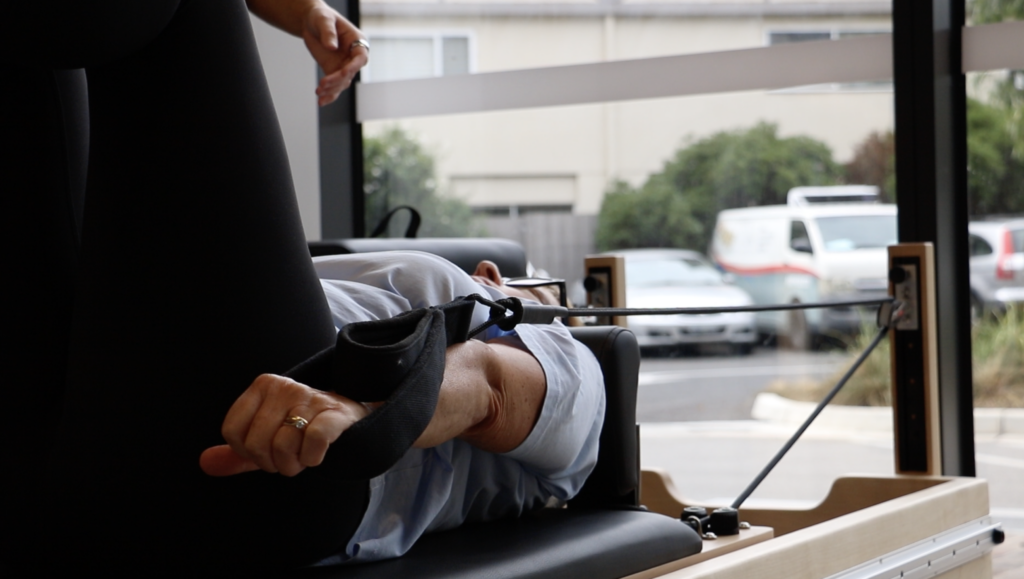
Research consistently shows that exercise is one of the most effective treatments for non-specific lower back pain.
Pilates is one form of exercise that can help as it:
- – Improves trunk and muscle strength
- – Enhances movement coordination
- – Reduces fear of movement
- – Builds confidence with activity
In many cases, the biggest benefit isn’t a specific exercise; it’s simply getting people moving again.
Why some Pilates classes help back pain more than others
Not all Pilates classes are the same.
A class designed for general fitness may not address the specific needs of someone dealing with back pain.
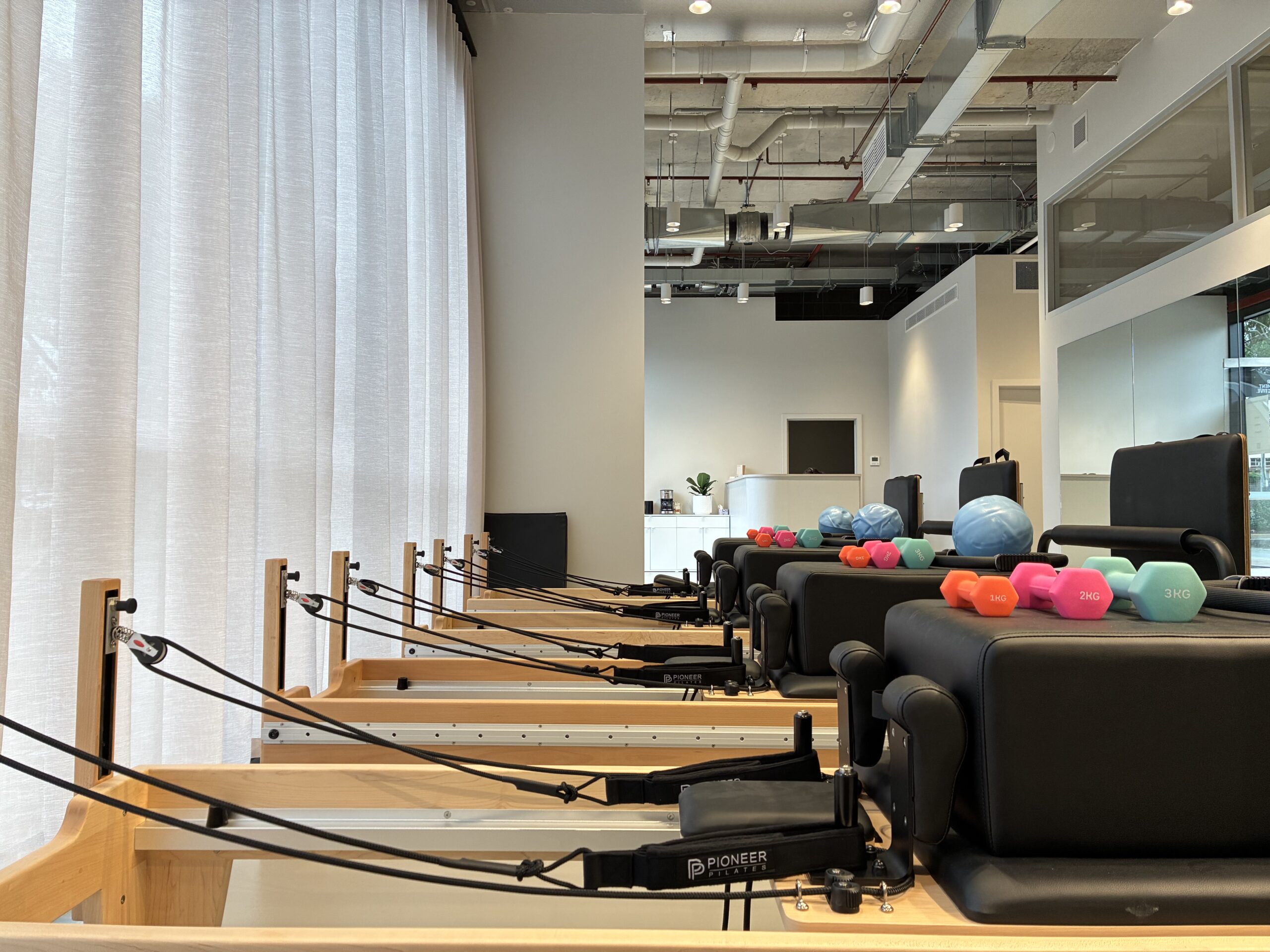
Clinical Pilates, by contrast, offers a far more personalised approach.
Each program is designed by a physiotherapist and tailored to your individual needs – taking into account your injury history, movement patterns, strength, flexibility, and perhaps most importantly, your goals and what you want to achieve from your body.
Common pitfalls people run into
Rushing into advanced classes too quickly
It’s tempting to jump straight into more challenging sessions, but some exercises place higher loads on the spine. Without the right foundations, this can irritate sensitive backs rather than strengthen them.
Focusing only on the “core”
The core gets all the attention, but your body works as a team. Your hips, glutes, and upper back play a huge role in supporting the spine and creating balanced, pain-free movement.
Avoiding movement because of pain
When the back starts to hurt, many people instinctively stop moving. While understandable, too much avoidance can actually prolong back pain and slow down recovery. Often, the right kind of movement is exactly what the back needs.
The bigger picture: movement is medicine
One of the most persistent myths about back pain is that the spine is fragile.
In reality, the spine is remarkably strong, resilient, and designed for movement.
For most people, recovery comes from gradually reintroducing strength, movement, and normal daily activity. Over time, this helps rebuild confidence, resilience, and capacity.
This is where Pilates can play a valuable role, offering a structured, controlled way to restore movement, rebuild strength, and help the spine do what it was designed to do.
How physiotherapy and Pilates work together
At Better Movement Collective, a physiotherapy clinic in Hampton, we often combine hands-on physiotherapy with guided exercise programs to create a more complete approach to recovery.
This allows us to:
- – Identify the underlying drivers of your back pain
- – Design a personalised strengthening plan
- – Gradually rebuild strength, movement, and resilience through the spine
As confidence grows and pain settles, many clients naturally transition into our Pilates or strength classes – continuing to build strength, improve movement, and stay active long after their initial injury has resolved.
Looking for help with back pain in Hampton?
If you’re dealing with ongoing back pain and wondering whether Pilates is right for you, the best place to start is with an individual assessment.
From there, we can guide you toward the right combination of physiotherapy, strength work, and movement-based rehabilitation to get you moving confidently again.
Mackenzie
Co-founder & Physio
Better Movement Collective.
8 Koolkuna Lane, Hampton, 3188