
Book Your Free Movement Screening 
Often it comes up after a scan, a diagnosis of osteopenia or osteoporosis, or sometimes after a fall or fracture.
At that point, the question becomes: “What can I actually do about it?”
One of the most effective answers is strength training. But how does it actually help?
Why bone health matters more as we age
From around our 30s onwards, we gradually begin to lose bone density.
For some, this happens slowly.

Reduced bone density can increase the risk of:
- Fractures
- Falls
- Loss of independence
- Ongoing pain and reduced confidence with movement
The good news is that bone is living tissue and it responds to the right kind of stimulus.
How do bones respond to strength training?

Bones adapt to load.
When you apply stress to bone through movement -particularly through resistance or weight-bearing exercise – the body responds by strengthening that bone over time.
This process is known as bone remodelling.
Strength training helps by:
- Applying controlled load through the skeleton
- Stimulating bone-forming cells
- Improving muscle strength, which supports and protects joints
- Increasing overall movement capacity
Over time, this can help to maintain and in some cases improve bone density.
Common pitfalls people run into

There’s often a fear that lifting weights is unsafe, especially after a diagnosis of osteoporosis. In reality, avoiding load completely can accelerate bone loss.
Staying too light for too long
Light weights can be a good starting point, but bones require a certain level of stimulus to adapt. Progression is key.
Lack of structure or guidance
Without a clear plan, it’s easy to either underload (not enough stimulus) or overload too quickly. Both can limit progress.

At Better Movement Collective, your newest physiotherapy clinic in Hampton, we take a structured approach to building bone health.
We combine physiotherapy assessment with guided strength training to ensure the right exercises are prescribed at the right intensity.
This allows us to:
- Identify individual risk factors
- Build a safe and progressive strengthening plan
- Improve confidence with movement
- Support long-term bone health and resilience
As strength improves, many people transition into ongoing strength or clinical exercise classes to continue building and maintaining their progress.
When the back starts to hurt, many people instinctively stop moving. While understandable, too much avoidance can actually prolong back pain and slow down recovery. Often, the right kind of movement is exactly what the back needs.
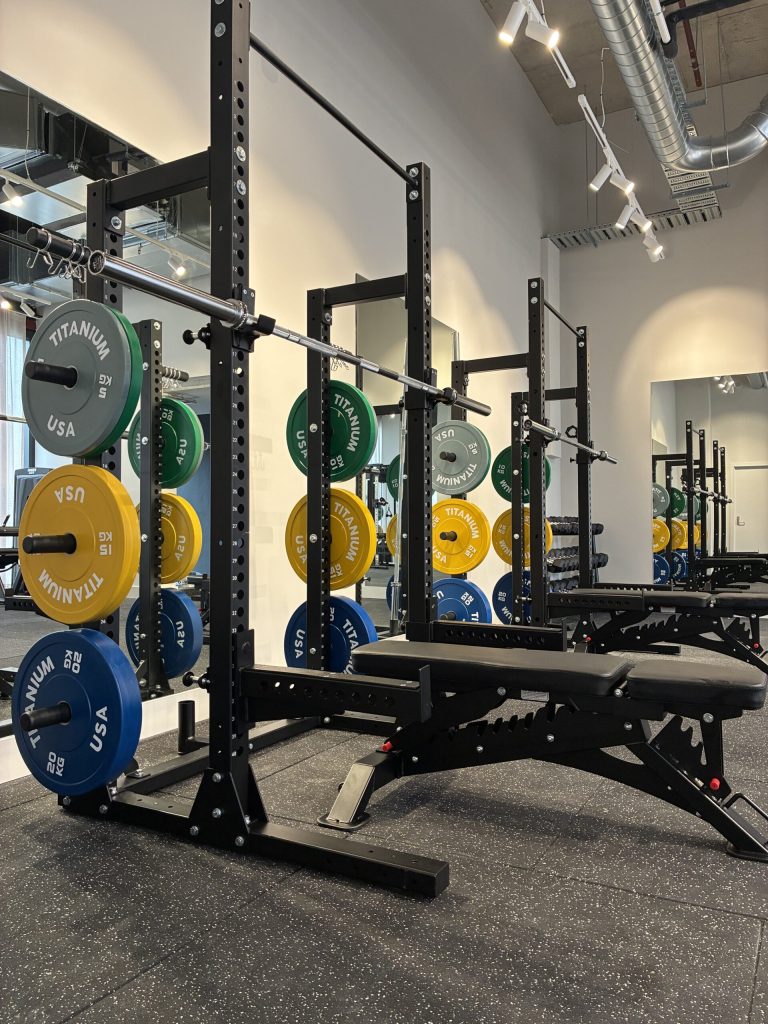
Ready to build stronger bones?
If you’ve been told you have low bone density — or you simply want to stay strong, active, and independent as you age — strength training can make a meaningful difference.
Starting with the right plan is key.
At Better Movement Collective in Hampton, we offer individual physiotherapy assessments and free movement screenings to help you understand where you’re at and what to focus on next.
For a limited time, we’re also offering 25% off initial physiotherapy appointments as part of our grand opening.
If you’re unsure where to start, this is a great opportunity to get clear direction and begin building strength with confidence.
Book Your Free Movement Screening Book Your 25% Off Initial Appointment
Michael
Director & Senior Physio
Better Movement Collective
8 Koolkuna Lane, Hampton, 3188

